Claims & Guides
Don’t face claim confusion alone. Let Faith help you find the next step faster.
This page is not just a content archive. It is an action-first claims and support hub to help you decide whether to go to a hospital, clinic, or contact us directly.
Quick triage
Hospital admission
Check panel hospital access, documents, and guarantee-letter steps first.
View panel hospitalsClinic visit
Find a panel clinic quickly and see whether it suits the case.
View panel clinicsClaims help
If you are unsure what to prepare, who to contact, or how to follow up, contact Faith first.
Contact FaithStep-by-step guide
Identify the situation
Is this a hospital admission, clinic visit, denied claim, or general confusion about the process?
Prepare the key documents
Gather your ID, medical card, referral letters, receipts, and any insurer correspondence.
Confirm network and process
Check the relevant panel hospital or clinic and whether a guarantee letter or extra documents are needed.
Contact Faith for follow-up
If you are unsure what comes next or the claim is stuck, let us help you assess it.
Prepare these first
Before a planned hospital admission
If your doctor recommends an admission or day surgery, do not wait until admission day to check your medical-card process.
- Ask the hospital admission counter what they need from you and whether your doctor participates in the relevant panel arrangement.
- Bring your medical card, identification, admission paperwork and any documents the hospital asks for.
- For a planned admission, ask the hospital to submit the necessary request to the relevant administrator as early as possible.
- Confirm your room-and-board entitlement, any co-payment, deductible, deposit or charges that may not be covered.
- Keep copies of the admission form, itemised bills, final tax invoice, receipts, medical reports and investigation results.
A guarantee letter or cashless admission is not automatic. It depends on your policy, the hospital, participating doctor, clinical information and the administrator's assessment.
If you need to claim after treatment
For reimbursement claims, prepare documents early. The exact list depends on your policy and treatment, but commonly includes:
- a completed claimant statement;
- identification and bank-payment details if not previously supplied;
- original receipts, final tax invoices and itemised/detailed bills;
- the treating doctor's medical report and relevant diagnostic reports; and
- for overseas treatment or accident claims, any additional supporting records requested by the insurer.
For outpatient accident treatment, the insurer may require a medical report depending on the amount claimed and the documents available. Follow the current document checklist for your own policy.
Why a GL or claim can take longer
Delays can happen when the hospital or insurer needs more information, when a doctor is not participating in a panel arrangement, or when there are questions about policy status, exclusions, treatment type, room upgrade, co-payment or non-covered charges.
If you are asked to pay an amount yourself, request a written breakdown. It helps you understand which items are not covered and whether reimbursement consideration is available under your policy.
When to ask Faith for help
Contact Faith before admission if you are unsure which documents to prepare, what to ask the hospital, or how to read a non-covered-charge notice. Faith can help you organise the questions — but the final decision always rests with the insurer and your policy terms.
If this claim involves motor, fire, or business insurance, start with the general insurance topics for motor, fire, and business.
Featured guides
Learn through real situations and practical claim questions.
After the Crash, I Asked Myself for the First Time: What If I Hadn’t Come Home?
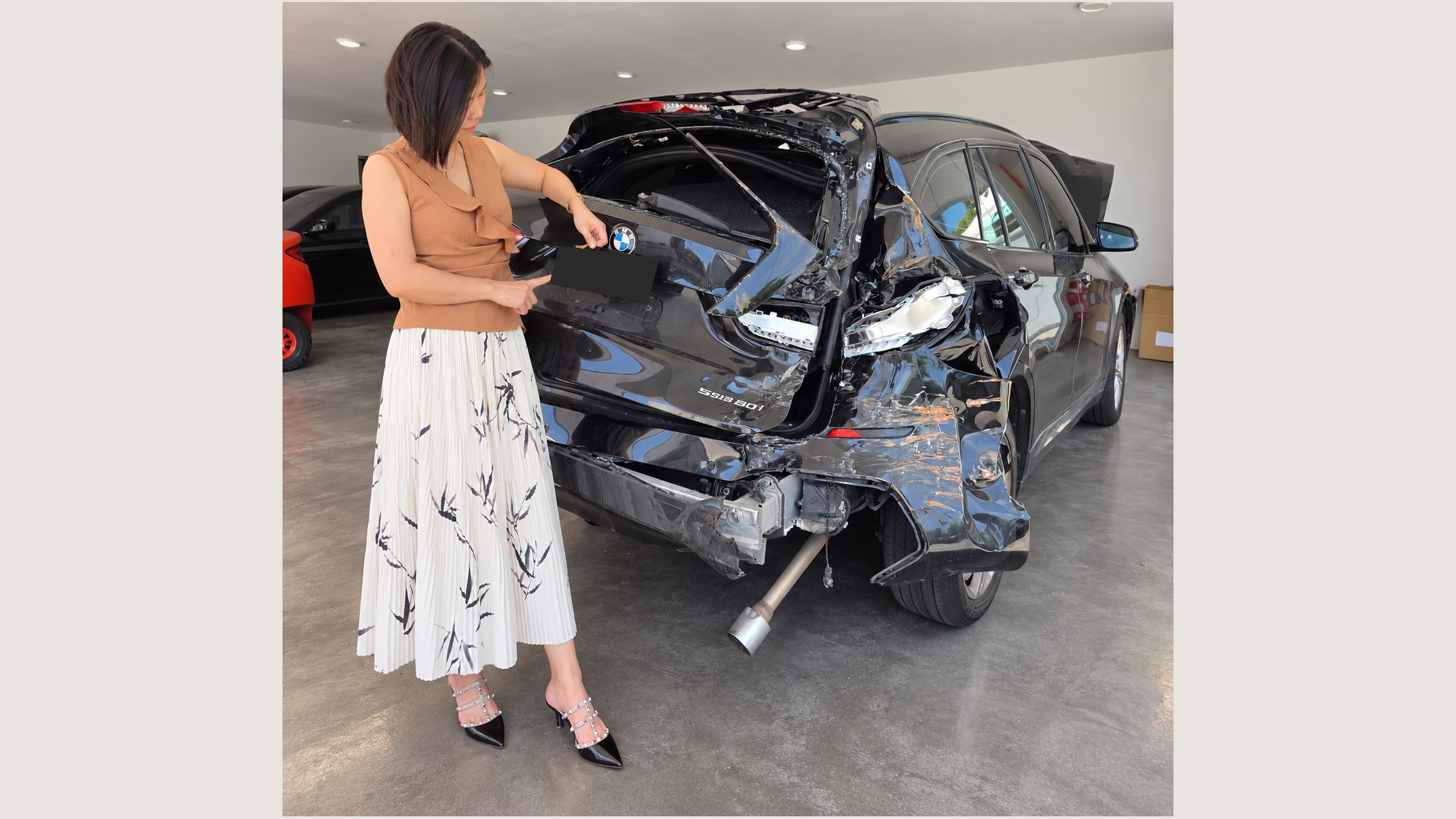
A Gentle Reminder | One Person’s Presence Touches So Many Lives

Why Your Family’s Financial Plan Isn’t Complete Without Income Protection

Insurance Is Not Better Just Because You Have More Policies

医药卡救回他的命,CI给他重新出发的底气

A 24-Year-Old’s Real Story: How a Brain Tumour Changed His Life

Policy Review #001: Why I’m Passionate About Helping People Understand Their Insurance Safety Net

For Those Born in the 1980s: When Love Means Protecting the Family

If Life Stopped at 42: A Letter a Mother Wrote to Herself

What should you do next?