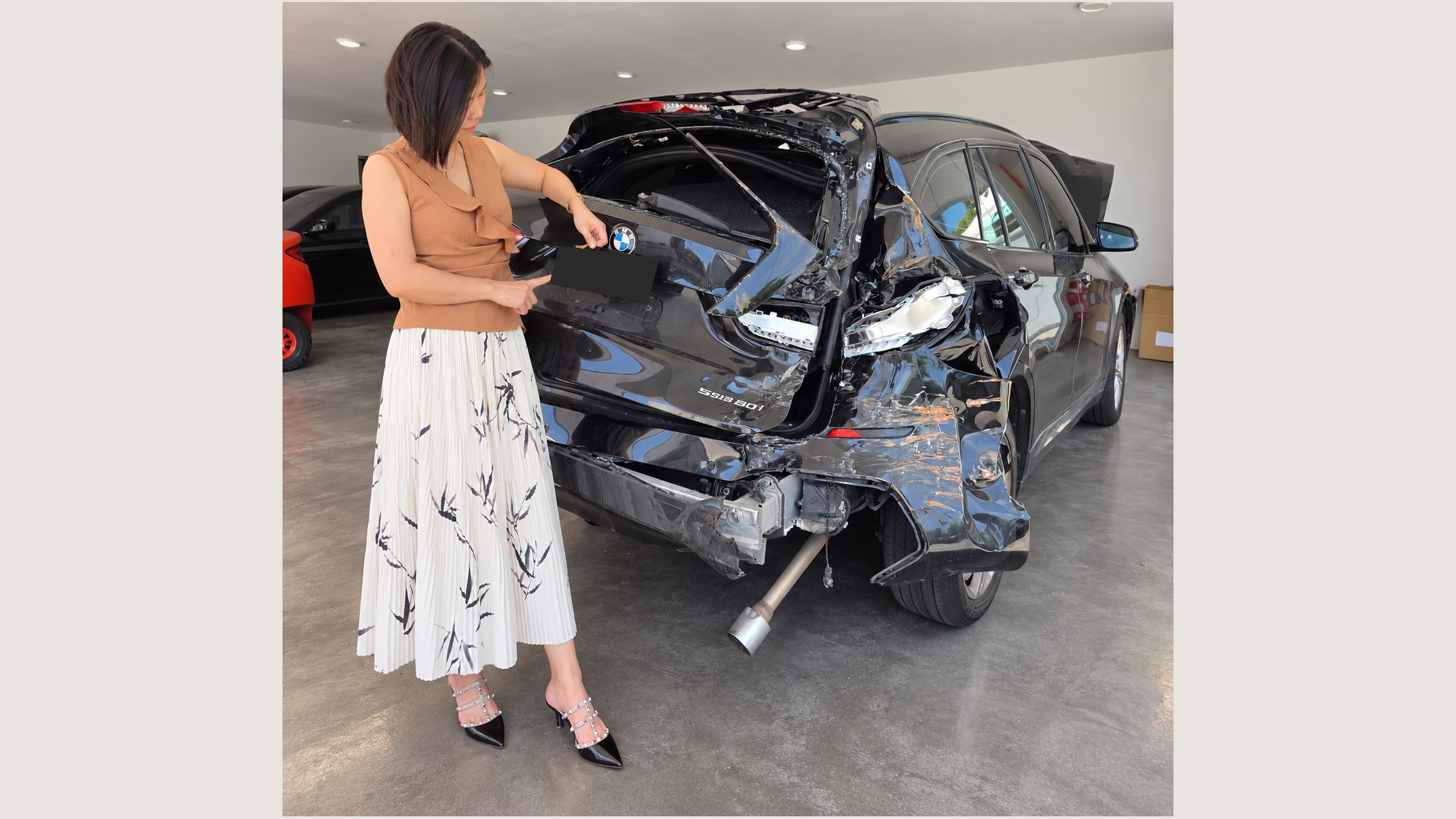
On the day of the accident, I was remarkably calm. I called the police. Handled the scene. Contacted the insurer. Arranged a tow. Dealt with the workshop. Made arrangements for the children. I just did what needed to be done. I didn’t burst into tears or fall apart. When I finally got home that evening, I was so tired I fell asleep. Then, at four in the morning, I suddenly woke up. The moment of the collision kept replaying in my mind. For the first time, I thought clearly: what if the lorry had veered just a little further? What if it hadn’t hit the rear of the car? What if I had been seriously injured? What if I had been left with a disability? What if I really hadn’t come home that day? By then, I no longer cared how much the BMW was worth. I was thinking about my husband, my two children and the lives ahead of them. Only then did I understand how abstract the “risks” we talk about can feel. Death feels abstract. Permanent disability feels abstract. Accidents do too. Until one day, you come close enough to realise that life really can be rewritten in seconds. If it’s only the car that’s damaged, I can deal with that. A claim for the vehicle’s loss can still be made under the policy terms. I can buy another car. I can earn the money again. But what if it had been my body that was hurt that day? What if I were still alive but could no longer work, care for my children, drive or live as I do now? Then my family would be facing more than medical bills. There could also be lost income, long-term care, living expenses, the children’s education, the mortgage, the car loan and everyday costs. Even the person caring for me might have to work less. After the accident, I reviewed my life insurance, personal accident insurance and Total and Permanent Disability (TPD) protection. I became even more certain that these protections should be seen as more than just policy documents. Life insurance makes me think about what I could leave for my family if one day I were no longer here. Personal accident insurance makes me look closely at what financial support a policy could provide for covered accidents if a sudden event changed my body. TPD protection makes me ask: if I were alive but unable to work as before because I met the policy’s definition of total and permanent disability, could my family carry on?
But not every inability to work or permanent disability qualifies as TPD. Whether a condition meets the definition of Total and Permanent Disability must be assessed against the relevant policy’s definition, assessment requirements and payment conditions. Life and personal accident benefits must also meet their respective policy terms. Many people hear the word “insurance” and immediately think, “Surely I won’t be that unlucky.” I understood that before too. Most people feel that way. When life is going smoothly, it’s hard to imagine it taking a different turn. But that day, after I walked safely away from a badly damaged car, I suddenly felt this:
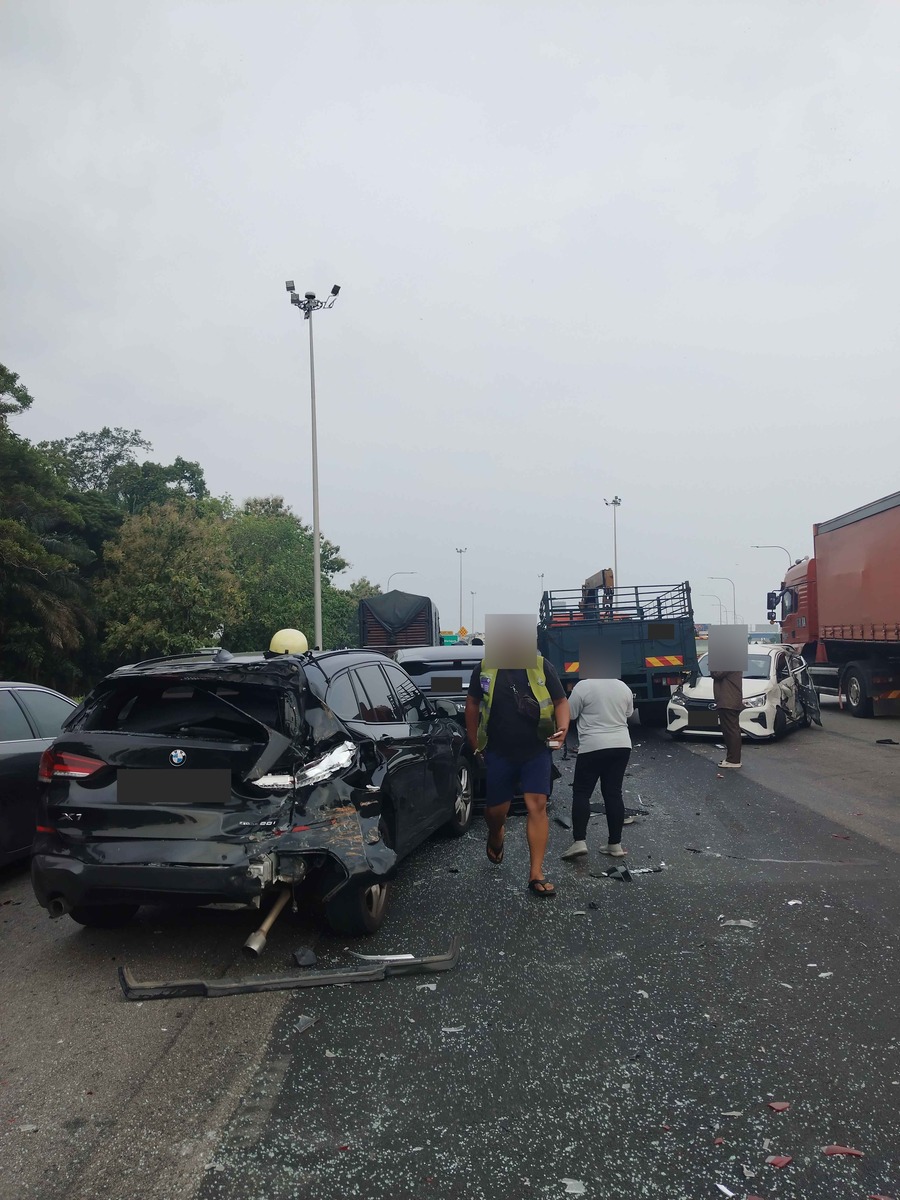
Insurance isn’t about predicting whether you’ll be unlucky. It’s about answering one question: if something really happens, what will happen to the people I love? I have a husband and children. Of course I hope to be with them for a very, very long time. But loving someone isn’t only about hoping you’ll always be there. Sometimes, mature love means being willing to prepare for that “what if”. If I were no longer here, I wouldn’t want my husband to face the pain of losing me while also worrying about money. I wouldn’t want my children’s education, daily lives and futures to be forced to change because they had lost their mother. If I survived but met the policy definition of Total and Permanent Disability, I wouldn’t want my needs to become the family’s sole source of financial strain. That’s why I’ve always felt that buying insurance isn’t about fearing death. It’s about cherishing the life we have now. We hope that, whatever happens, our family will still have some ground to stand on. That accident didn’t take me away. It badly damaged my car, but I made it home safely. What I’m most grateful for is the chance to keep being a mother and a wife, and to keep doing the work I enjoy. And the chance to remind others: don’t wait until you’ve come close to an accident before asking whether your protection is enough. What we really want to protect has never been a number on a policy. It’s this: if life suddenly changes one day, can our family carry on? To me, that’s the real meaning of life, personal accident and Total and Permanent Disability (TPD) protection.
If this experience makes you think of your own family, take out your existing policies. Look at what life, personal accident and TPD cover—and what they don’t—and whether they meet your family’s needs today. If anything is unclear, chat on WhatsApp or leave your details.
Article-specific note: This is a personal account of an accident and reflections on reviewing protection. It is not a promise of benefits from any life, personal accident or TPD product, nor does it indicate that compensation for this accident has been paid under those protections. Total and Permanent Disability (TPD) is not the same as general permanent disability or any inability to work. Its definition, assessment requirements, applicable ages, exclusions and payment conditions are governed by the relevant policy contract. The insured risks, scope of coverage and claim conditions of life and personal accident insurance must also be checked individually. Refer to the relevant insurer’s latest policy documents.
Disclaimer
This article is for educational purposes only and does not constitute financial or insurance advice. Coverage terms are subject to the policy contract. Contact Faith for personalised advice.